Lågskär Lighthouse
Lågskär is a lighthouse island in the Sea of Åland, about 15 nautical miles south of Mariehamn, and part of the municipality of Lemland on the Åland Islands. The present concrete tower was completed in 1920 and has been automated since 1961, and the Åland Bird Protection Society runs a bird station in the old keepers' houses.
Where is Lågskär?
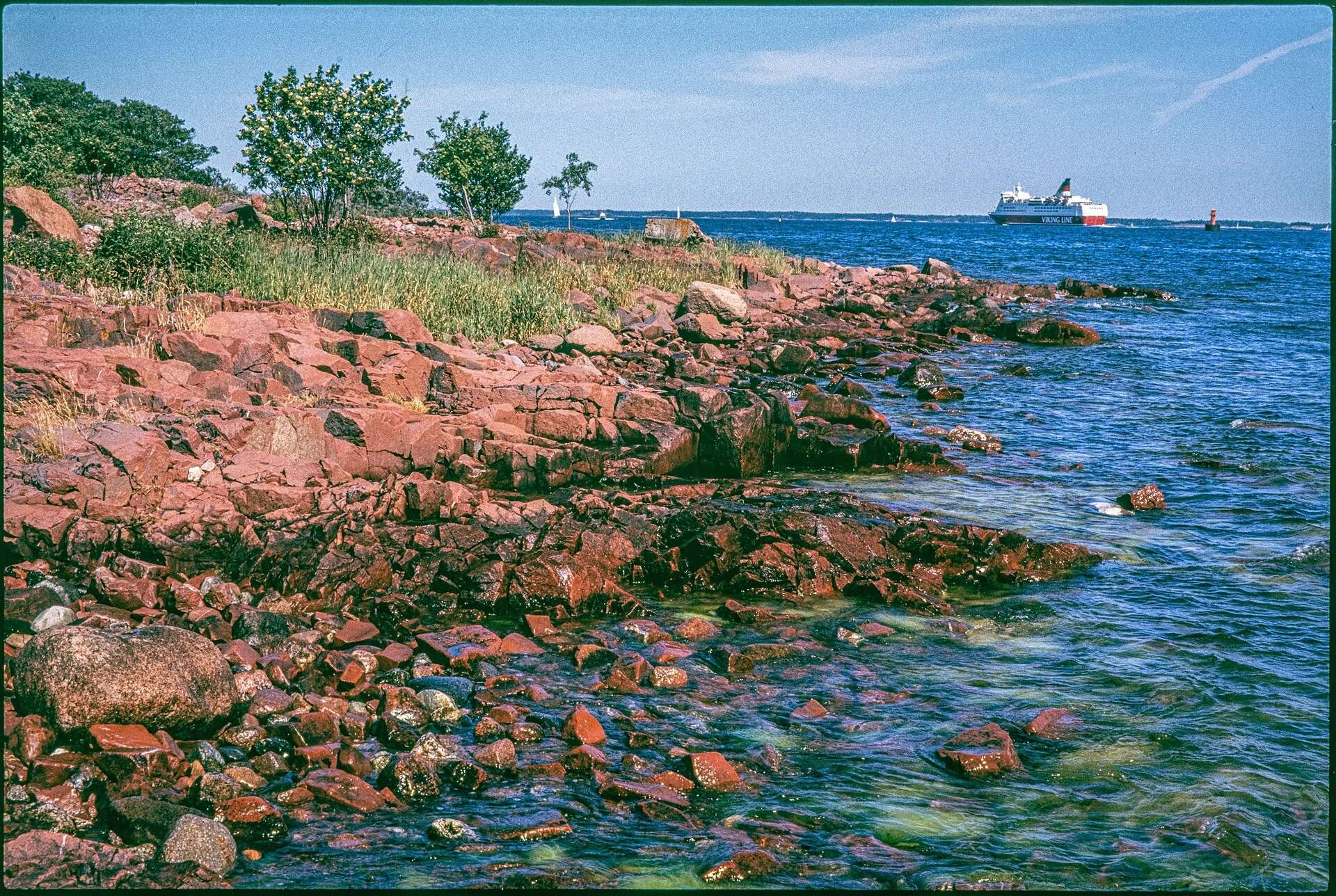
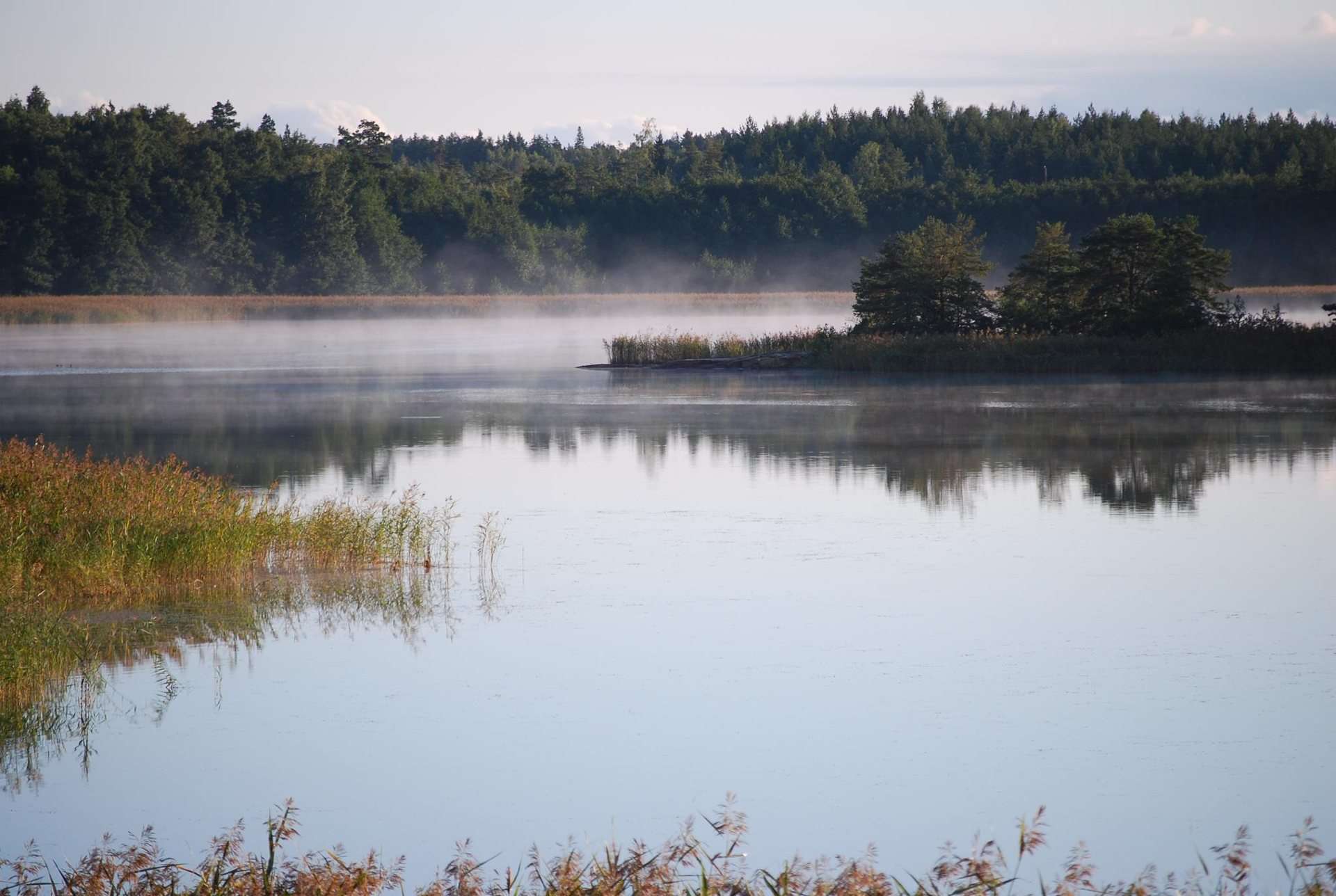
Lågskär is a low, exposed lighthouse island in the Sea of Åland, south of Lemland’s archipelago. Swedish Wikipedia and the water taxi Fiskelyckan put it about 15 nautical miles south of Mariehamn, while Visit Åland says 17. The island covers about 50 hectares and is surrounded by some fifteen smaller skerries and countless rocks and shoals.
Those shoals are the reason the site has been marked for shipping for centuries. Lågskär is an important landmark for anyone crossing the Sea of Åland between Åland and Sweden.
From stone cairn to concrete tower
Lågskär’s history is a cycle of building, war and rebuilding:
| Year | Event |
|---|---|
| 17th century | A stone cairn marks the shoals |
| 1794 | Pilot captain Nils Åhman has a 23 m wooden beacon built |
| 1808 to 1809 | The beacon is destroyed in the Finnish War |
| 1814 | The beacon is rebuilt |
| 1840 | The light is lit for the first time, in September |
| 1859 | A stone tower replaces the wooden beacon after the Crimean War |
| 1915 | The Russian military blows up the lighthouse and burns the buildings |
| 1920 | The present reinforced-concrete tower is completed |
| 1961 | The light is automated and the keepers leave |
These dates come from Swedish and Finnish Wikipedia. Finnish Wikipedia dates the first cairn to 1696 and says it was destroyed in 1714, during the Great Northern War occupation of Finland.
Visit Åland describes the 1840 light as Åland’s first lighthouse. The 1920 tower is 33 m high according to Visit Åland. When it was built, it received a large AGA lens that was one of the first with automatic rotation.
Lågskär in wartime
Its position in the middle of the Sea of Åland has left Lågskär exposed in war. During the Crimean War in 1854, the light was put out and the lamp removed for safekeeping. During the First World War, in 1915, the Russian military authorities blew up the lighthouse and burned the other buildings.
On 11 April 1918 the German battleship SMS Rheinland ran aground off Lågskär in fog while the station was unmanned. Two men died, and the ship was only refloated in July with a floating crane brought from Danzig. That same year the Germans built a temporary wooden lattice tower before the present one went up.
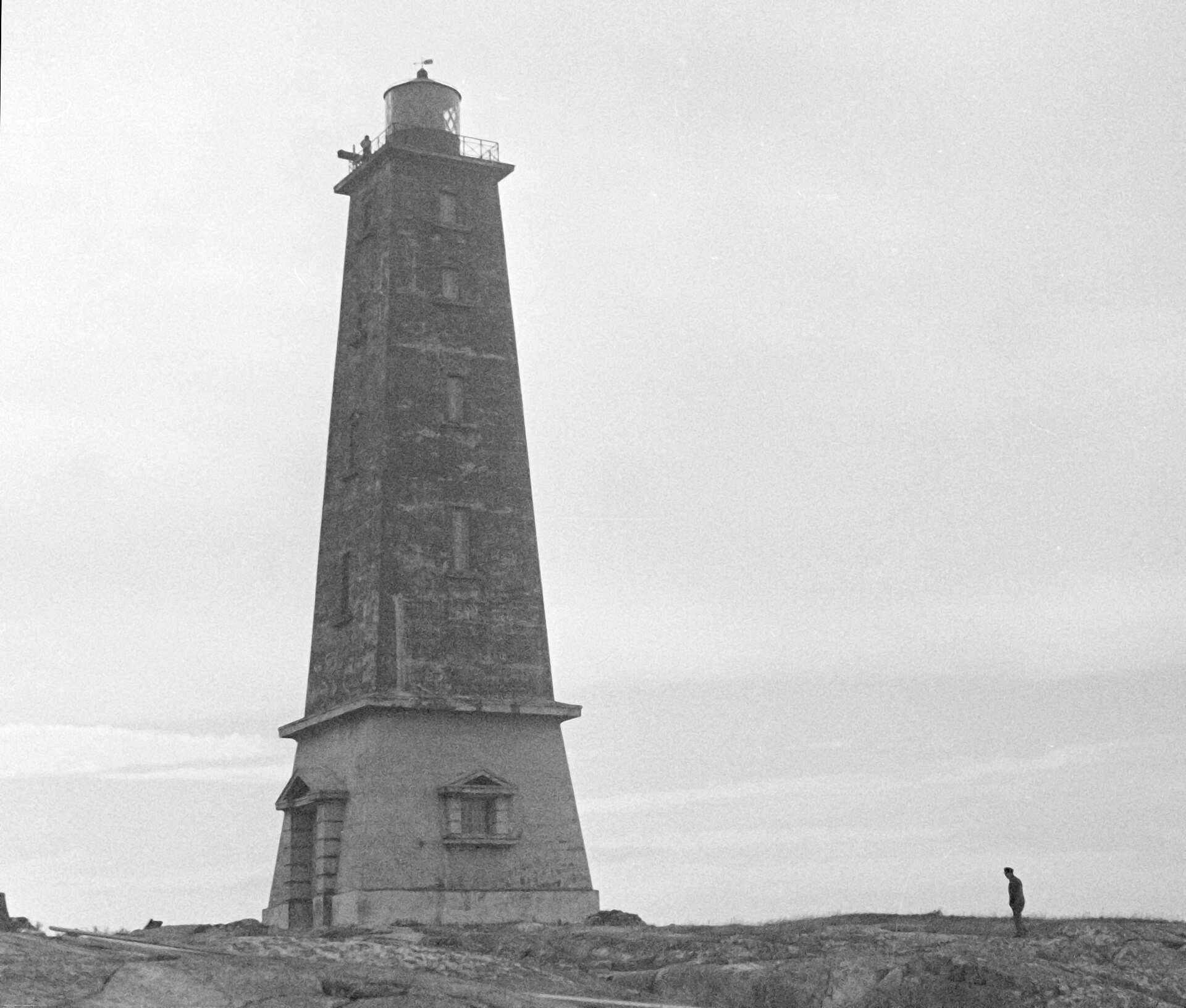
Photographs of the lighthouse from the war years 1939 to 1945 survive in the Finnish wartime photo archive SA-kuva, including the image at the top of this page. We have not been able to confirm from available sources how the island was used during the Second World War, so we leave that period aside.
Lågskär today: a lighthouse without keepers
The light is still in use but has been unmanned since 1961. That ended about 120 years of keepers living on the island, apart from the war years. The brighter Flötjan lighthouse nearby had already been completed in 1953, reducing Lågskär’s importance. According to Finnish Wikipedia, the light has run on wind power since 1986 and on solar panels since the early 2000s.
| Lågskär Lighthouse today | Details |
|---|---|
| Light | white flash every 12 seconds |
| Focal height | about 42 m above sea level |
| Range | about 11 nautical miles |
| Power | wind from 1986, solar panels since the 2000s |
The light details come from English Wikipedia, based on international lists of lights. Mariners should always use official, up-to-date charts and light lists.
The lighthouse has also had its own stamp: Åland issued a Lågskär Lighthouse stamp on 8 May 1992 as part of a lighthouse series. Visit Åland also notes that the island was a filming location for The Disciple (Lärjungen), Finland’s Oscar entry in 2013.
The bird station and nature
A bird station has operated on Lågskär since the 1960s. It is run by the Åland Bird Protection Society (Ålands fågelskyddsförening), which leases the keepers’ houses for bird observation and ringing. The ornithologists stay there temporarily during the season.
The island is a Natura 2000 site, and according to Finland’s Supreme Administrative Court it holds the country’s most important eider colony. The court ruled on 29 April 2025 that the Åland government’s 2024 permit to shoot white-tailed eagles to protect the eiders had been unlawful. Lågskär is also part of the Björkör and Lågskär Archipelago Ramsar site, designated in 1974.
How do you get to Lågskär?
There is no scheduled boat service to Lågskär, and a crossing of the Sea of Åland needs good weather.
- Tailor-made boat trip: Visit Åland refers to customised trips, for example with the water taxi Shipland, which lists Lågskär among its destinations. Prices are not published.
- Fiskelyckan: has a page about Lågskär but lists no departures or prices. Ask directly.
- The bird station: according to Finnish Wikipedia, anyone wishing to visit the bird station can contact the Åland Bird Protection Society, which arranges transport.
- Your own boat: the Sea of Åland is open water with many shoals around the island. Use up-to-date charts and check the weather.
The tower itself is reported to be closed to visitors. Birds are sensitive to disturbance during the breeding season, so keep your distance from the colonies.
See also
Closer to land you will find Rödhamn, the old harbour of refuge with its radio beacon museum, and Herröskatan, Lemland’s southern tip, where the bird tower looks out over the Sea of Åland.
Frequently asked questions
Where is Lågskär?
Lågskär lies in the Sea of Åland, about 15 nautical miles south of Mariehamn at the entrance to the Sea of Åland. Visit Åland gives the distance as 17 nautical miles. The island belongs to the municipality of Lemland and covers about 50 hectares, surrounded by some fifteen smaller skerries and many shoals.
When was Lågskär Lighthouse built?
The present tower of reinforced concrete was completed in 1920, after the previous lighthouse was blown up during the First World War. The site has been marked for shipping for much longer: a stone cairn stood here as early as the 17th century, and the first light was lit in September 1840. Visit Åland calls it Åland's first lighthouse.
Can you visit Lågskär?
There is no scheduled boat service to Lågskär. Visit Åland refers visitors to tailor-made boat trips, for example with the water taxi Shipland, and according to Finnish Wikipedia anyone wishing to visit the bird station can contact the Åland Bird Protection Society. The tower itself is reported to be closed to visitors.
Is Lågskär Lighthouse still in use?
Yes, Lågskär Lighthouse is still in use but has been unmanned since 1961. According to English Wikipedia, based on international lists of lights, it shows a white flash every 12 seconds. Finnish Wikipedia says it has run on wind power since 1986 and on solar panels since the early 2000s.
Does anyone live on Lågskär?
No, Lågskär has had no permanent residents since the lighthouse was automated in 1961. The keepers' houses are now used by ornithologists at the bird station run by the Åland Bird Protection Society. They stay there temporarily during the field season.
What happened to Lågskär Lighthouse during the wars?
During the First World War, in 1915, the Russian military blew up the lighthouse and burned the other buildings. In April 1918 the German battleship SMS Rheinland ran aground off Lågskär in fog. Photographs of the lighthouse from 1939 to 1945 survive in the Finnish wartime photo archive SA-kuva, but we have not been able to confirm further details of that period.
Sources
- Visit Åland: 4 Lighthouses around Åland
- Fiskelyckan: trips to Lågskär (in Swedish)
- Shipland: Destinations
- Wikipedia: Lågskär (in Swedish)
- Wikipedia: Lågskärin majakka (in Finnish)
- Wikipedia: Lågskär Lighthouse
- Wikipedia: Lågskär
- Wikimedia Commons: Lågskär Lighthouse 1939 to 1945 (SA-kuva)
- Supreme Administrative Court KHO 29.4.2025/949 (summary)
- Wikipedia: Lemland (in Swedish)